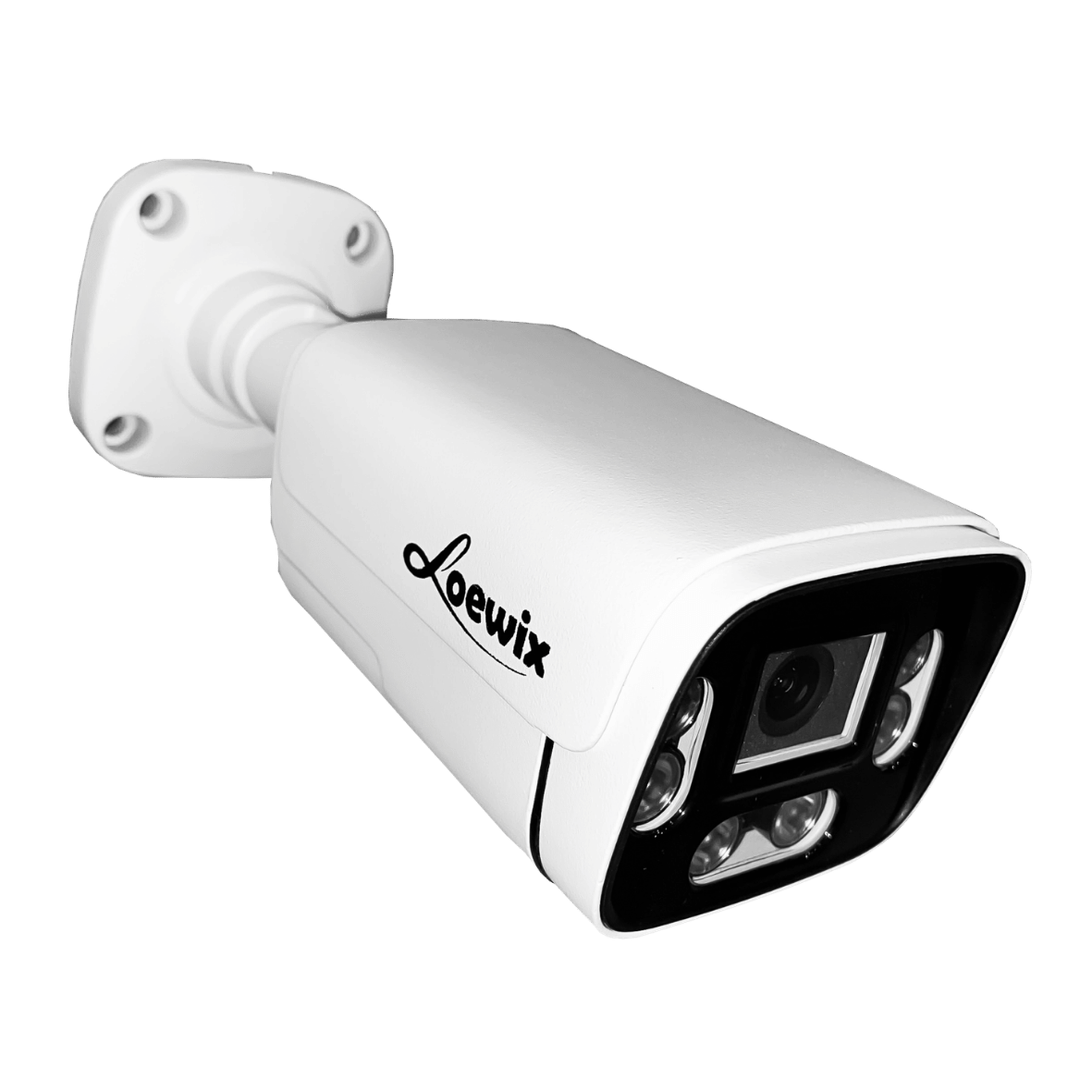
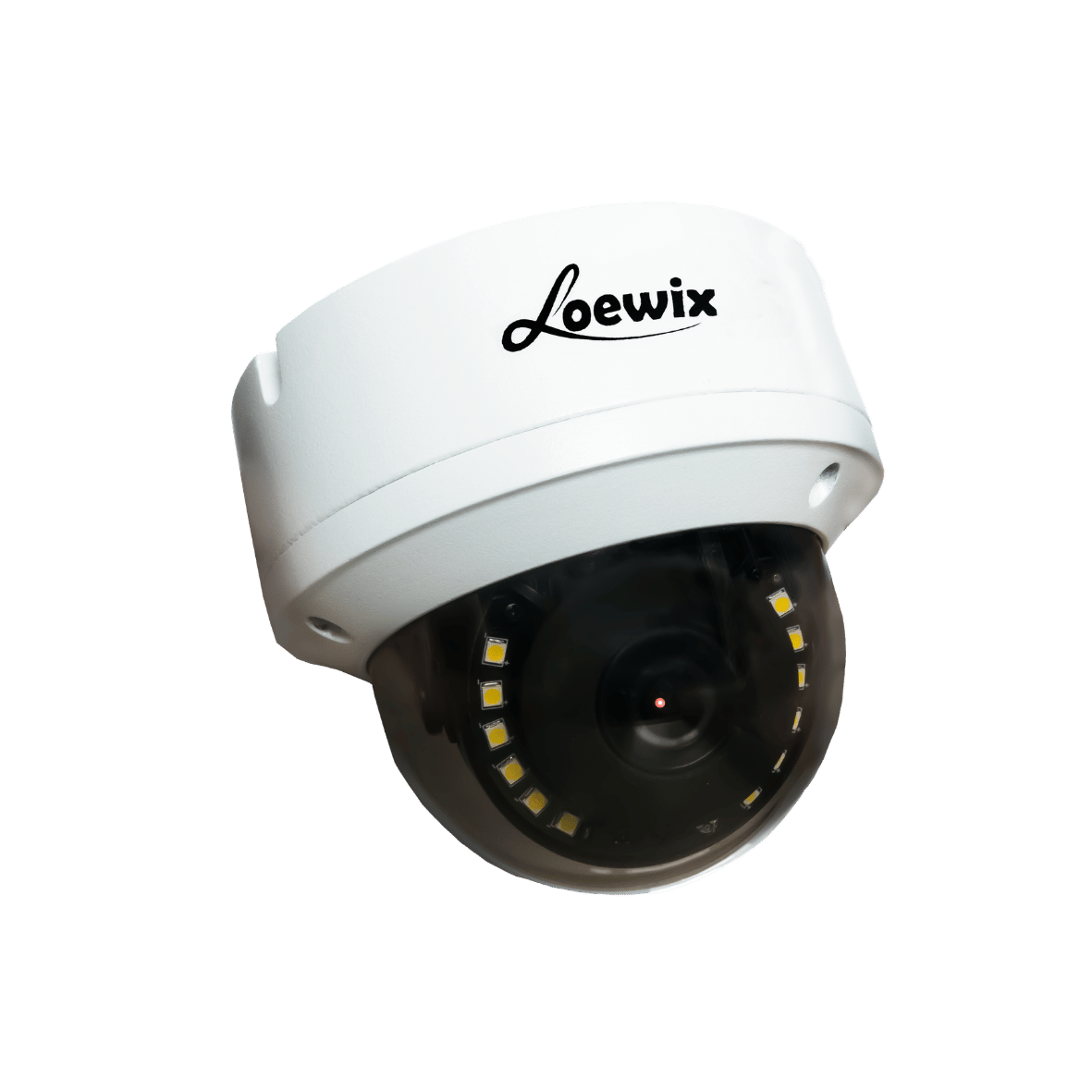
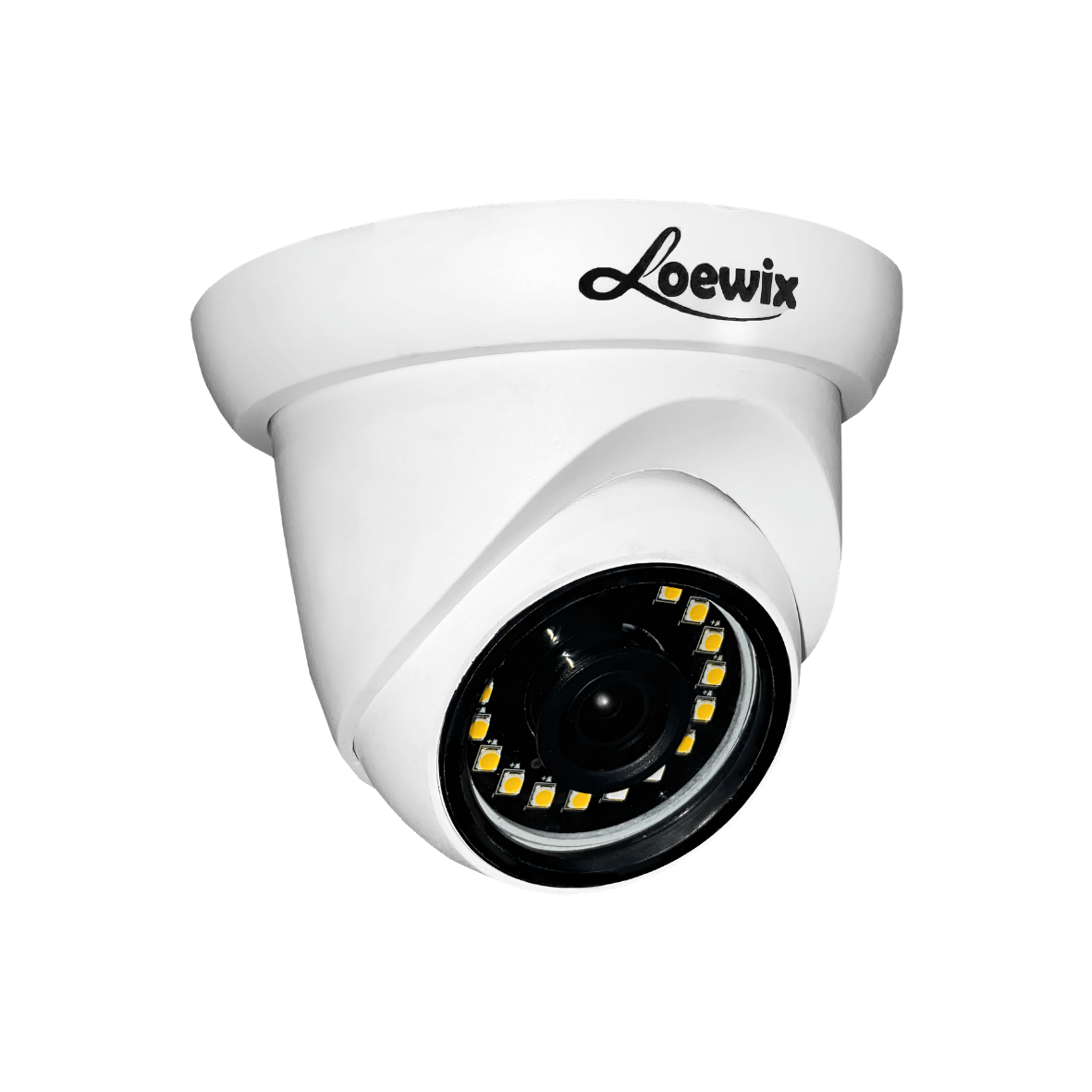
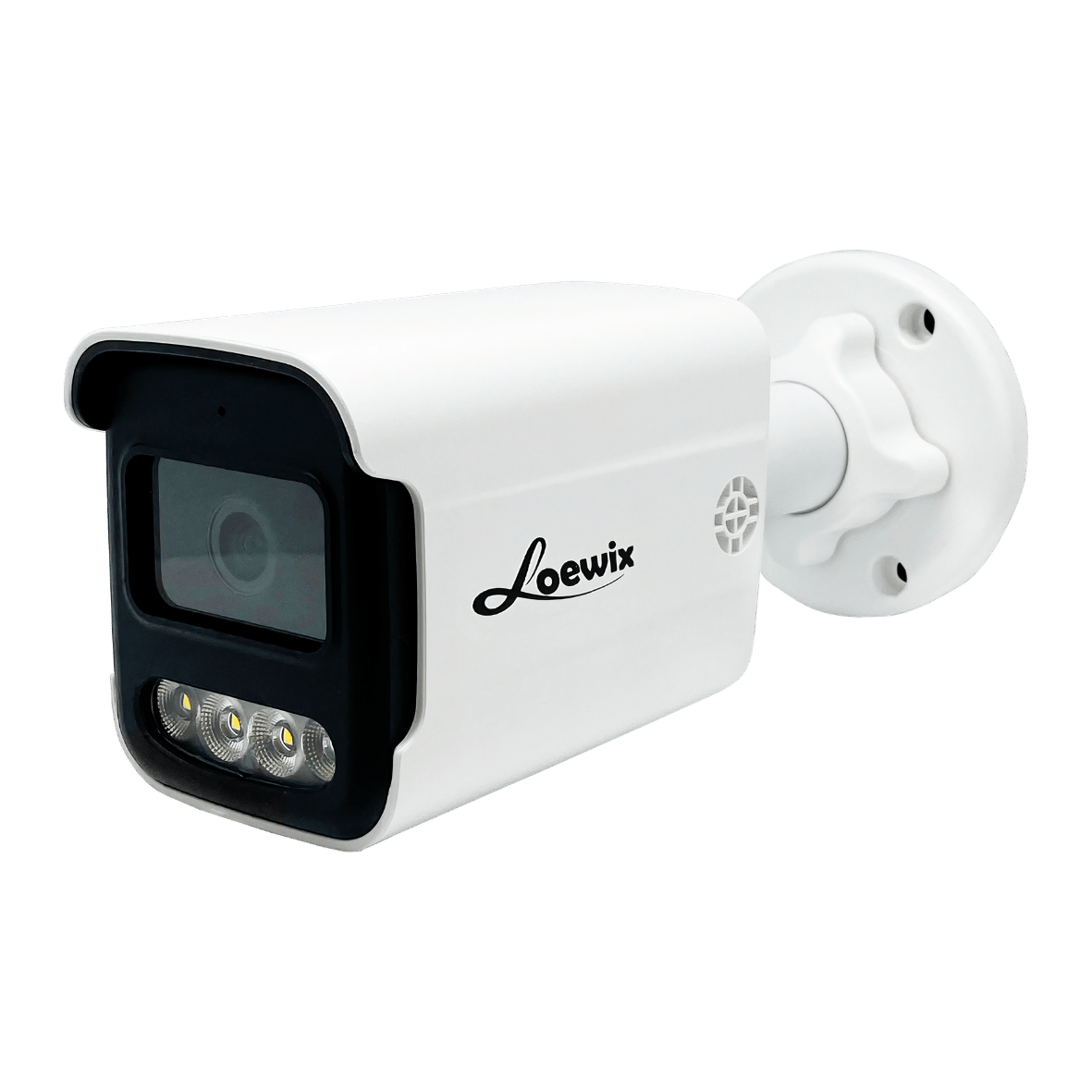
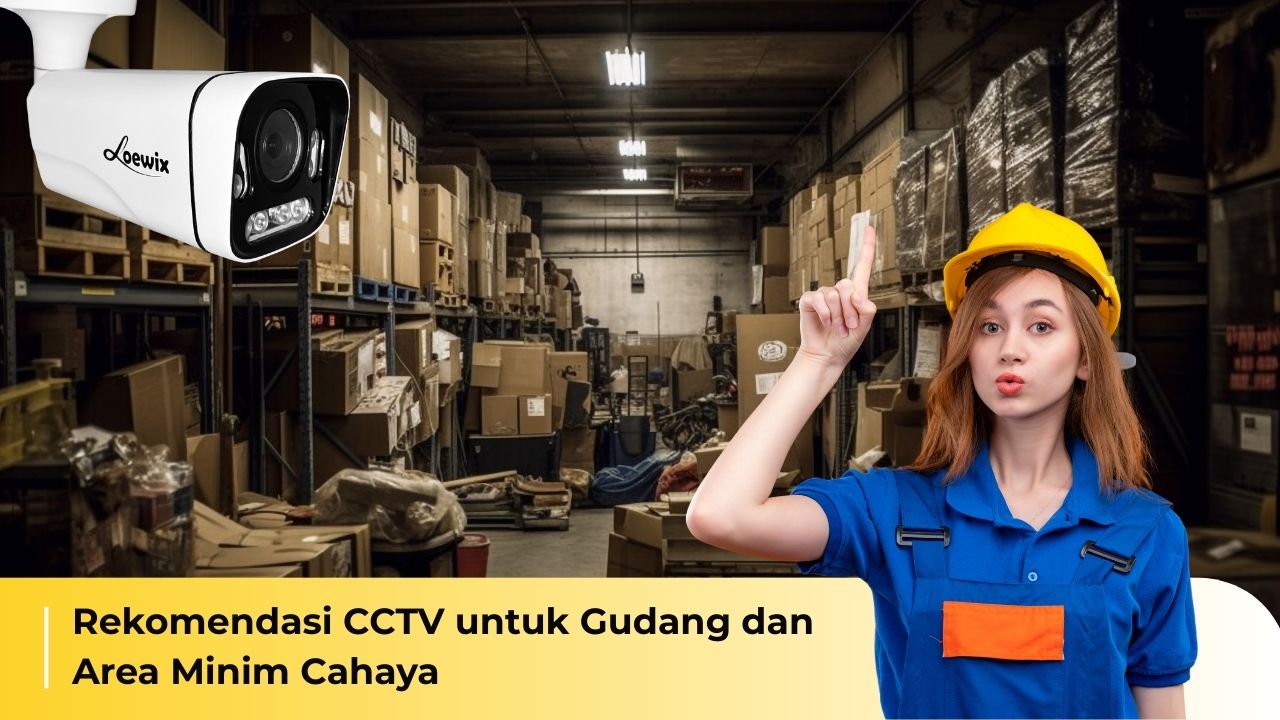
Warehouses are critical areas that require high-quality security systems because they typically store high-value goods in large quantities. Activities in a warehouse often occur outside normal working hours, including at night when lighting is limited. Therefore, choosing CCTV for a warehouse is not the same as choosing one for a home or office.
Warehouse installations have unique challenges that must be adapted to the specific conditions of the building. Understanding these challenges will help warehouse owners and installers choose a system that is suitable for long-term use.
Challenges of CCTV in Warehouses and Dark Areas
Warehouses have several conditions that make CCTV installation more challenging than typical areas:
-
Low Light: Many warehouses only use essential lighting. At night, conditions can become pitch black, making it difficult for standard cameras to capture clear images. This requires CCTV night vision or cameras specifically designed for dark conditions.
-
Dust and Light Reflection: Warehouses often have dust or particles that can reflect infrared light. This can sometimes make the footage look foggy or overexposed (white-out).
-
Long Viewing Distances: Due to the vastness of warehouse aisles, cameras must be able to capture objects at much greater distances than in small rooms.
-
Day vs. Night Disparity: A camera might perform well during the day, but the image quality can drop drastically at night. It is crucial to choose low-light CCTV that remains stable in both conditions.
Recommended CCTV Specifications for Low-Light Areas
To ensure the security system works optimally for the long term, consider these technical specifications:
-
Stable Night Vision: Cameras should feature infrared or advanced low-light technology. Good night vision produces clear images without excessive "noise" or graininess.
-
Adequate Resolution: A minimum of 2MP (Full HD) is recommended for basic monitoring. For larger areas or where detail (like SKU labels) is vital, 4MP cameras are a better choice.
-
Lens and Field of View: Installers must match the lens (e.g., 2.8mm for wide-angle or 4mm/6mm for long aisles) with the warehouse layout to avoid "dead zones."
-
DVR/NVR Compatibility: In many warehouse projects, new cameras must integrate with existing systems. Choosing cameras that are compatible with various DVRs or NVRs simplifies installation and reduces replacement costs.
CCTV Brand Recommendations for Warehouses
Installers generally consider three types of brands based on project needs and budget:
-
Top International Brands: Offer mature technology and vast ecosystems, but often come with a higher price tag and slower warranty processes.
-
OEM Brands: Provide price flexibility and diverse specs, though quality can vary between units.
-
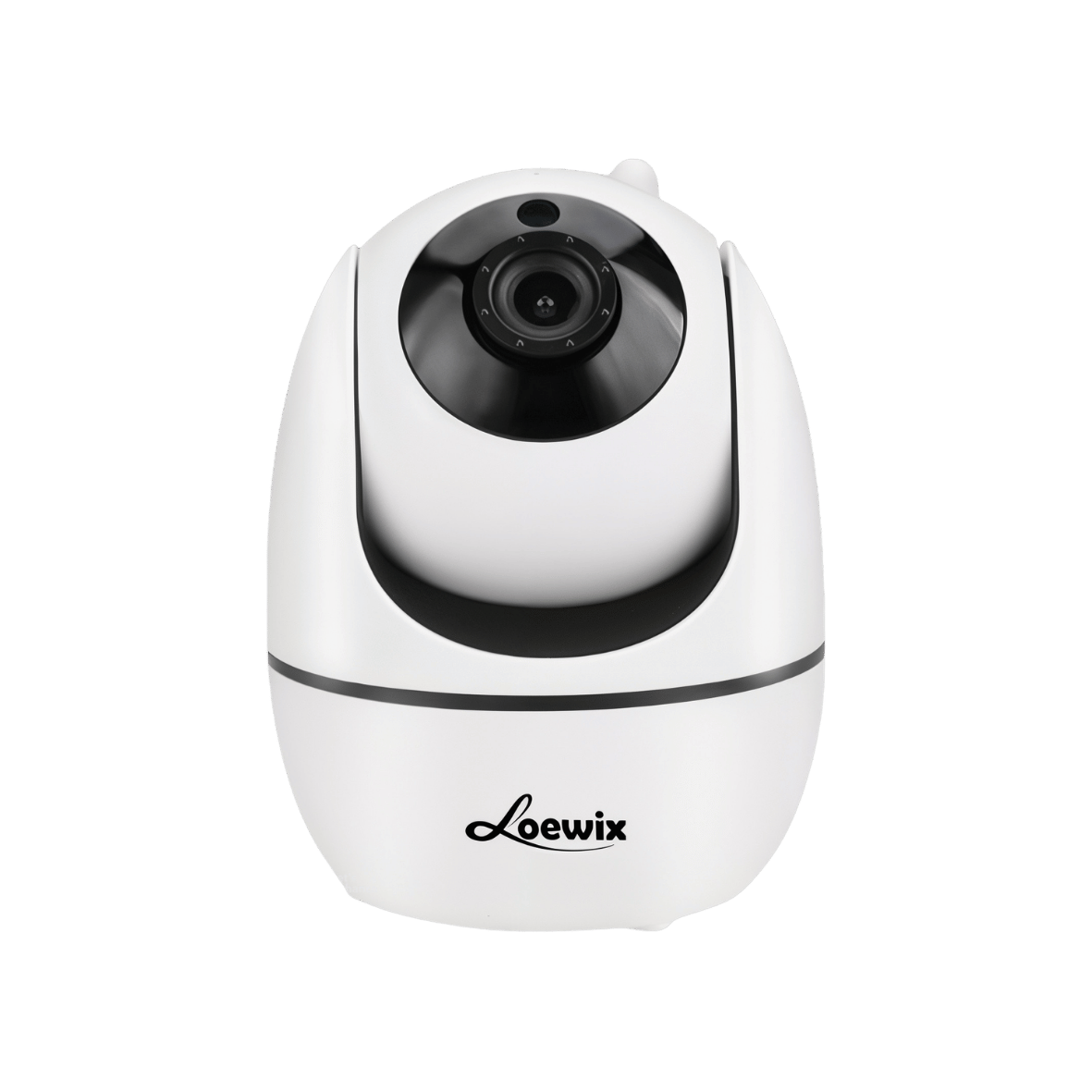
Local Brands (The Efficient Choice): Local brands have become a top choice because they offer specifications tailored to local project needs at competitive prices. Loewix is a prime example of a local brand that excels in warehouse projects.
-
The Loewix Advantage: Loewix offers high product availability and easily accessible technical support. This simplifies maintenance and device replacement if needed, which is crucial for 24/7 warehouse operations.
-
Conclusion
Warehouses need a CCTV system that works stably, especially at night. When choosing CCTV for low-light areas, do not focus solely on price; prioritize night vision features, resolution, and system compatibility. By choosing the right system from the start, the risk of downtime and security gaps can be minimized for long-term use.
Secure your inventory with the right technology. Discover Loewix's specialized warehouse surveillance solutions designed for maximum clarity in minimum light.