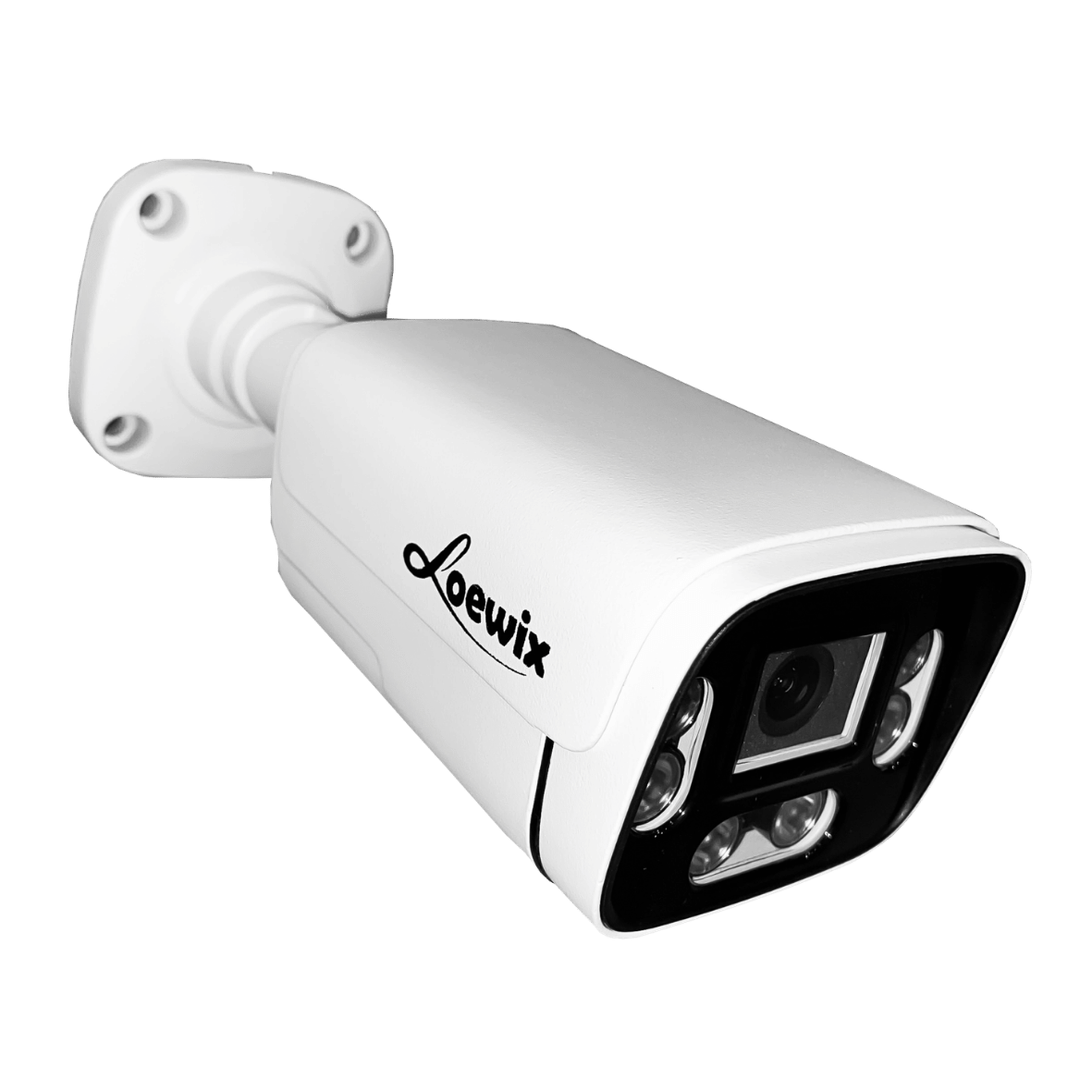
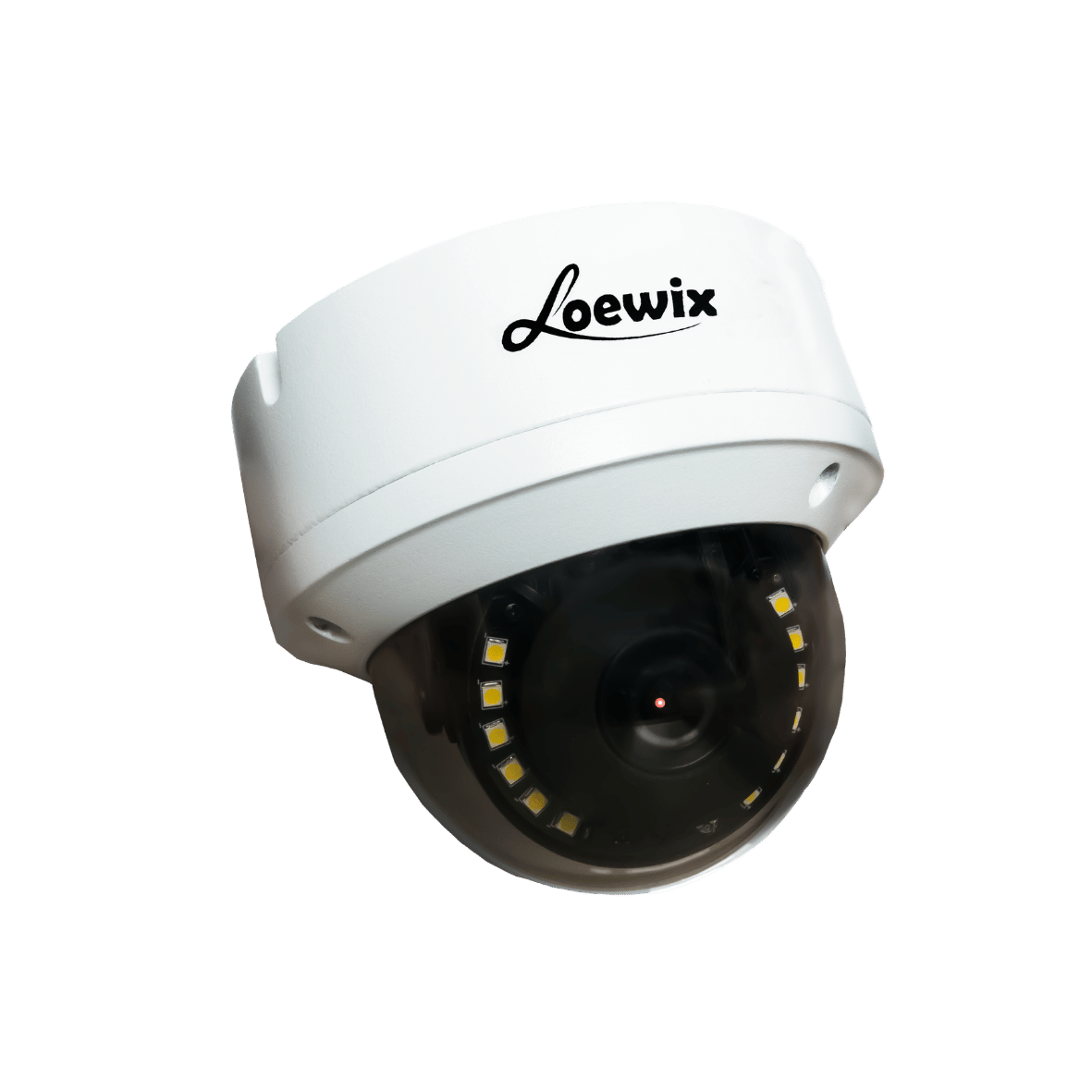
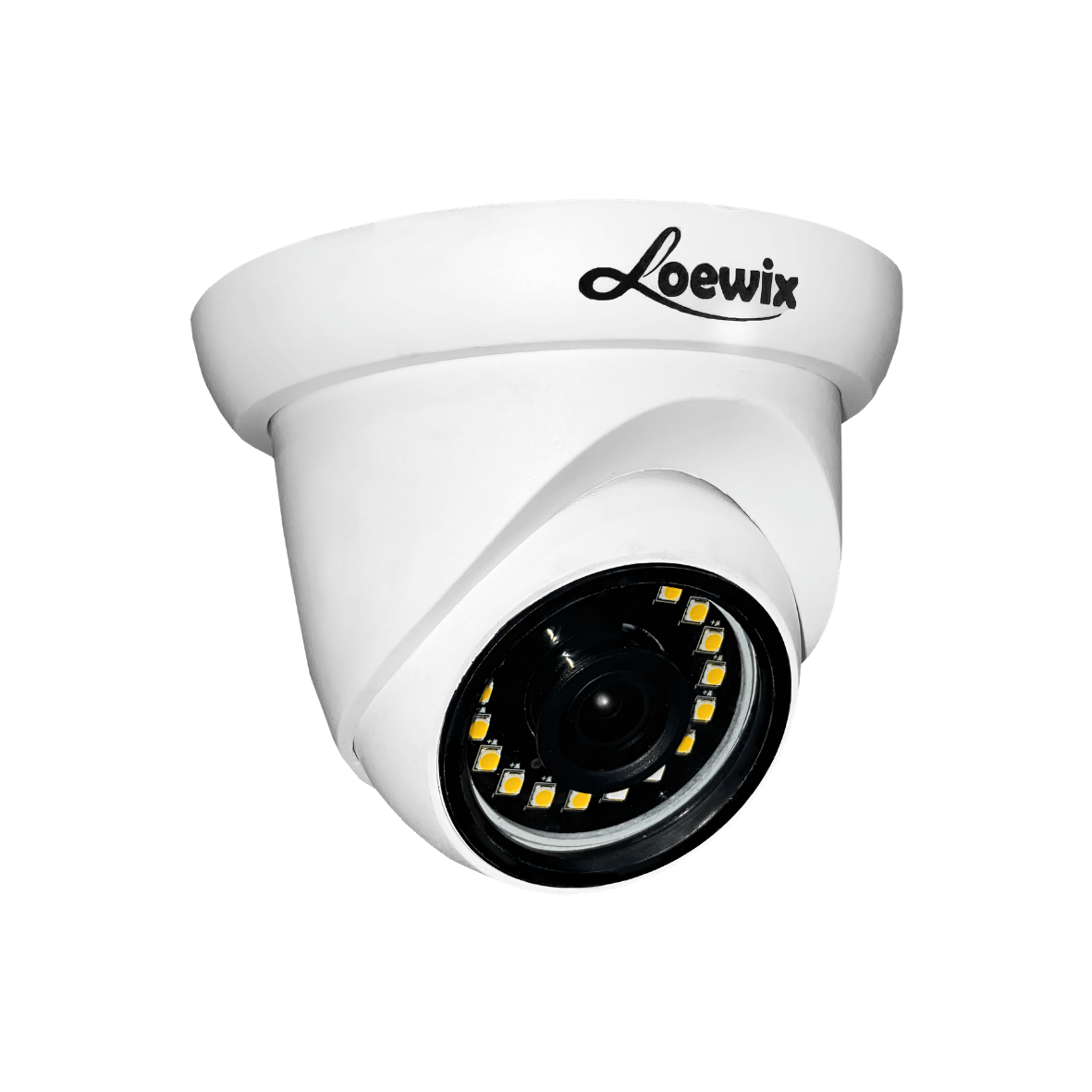
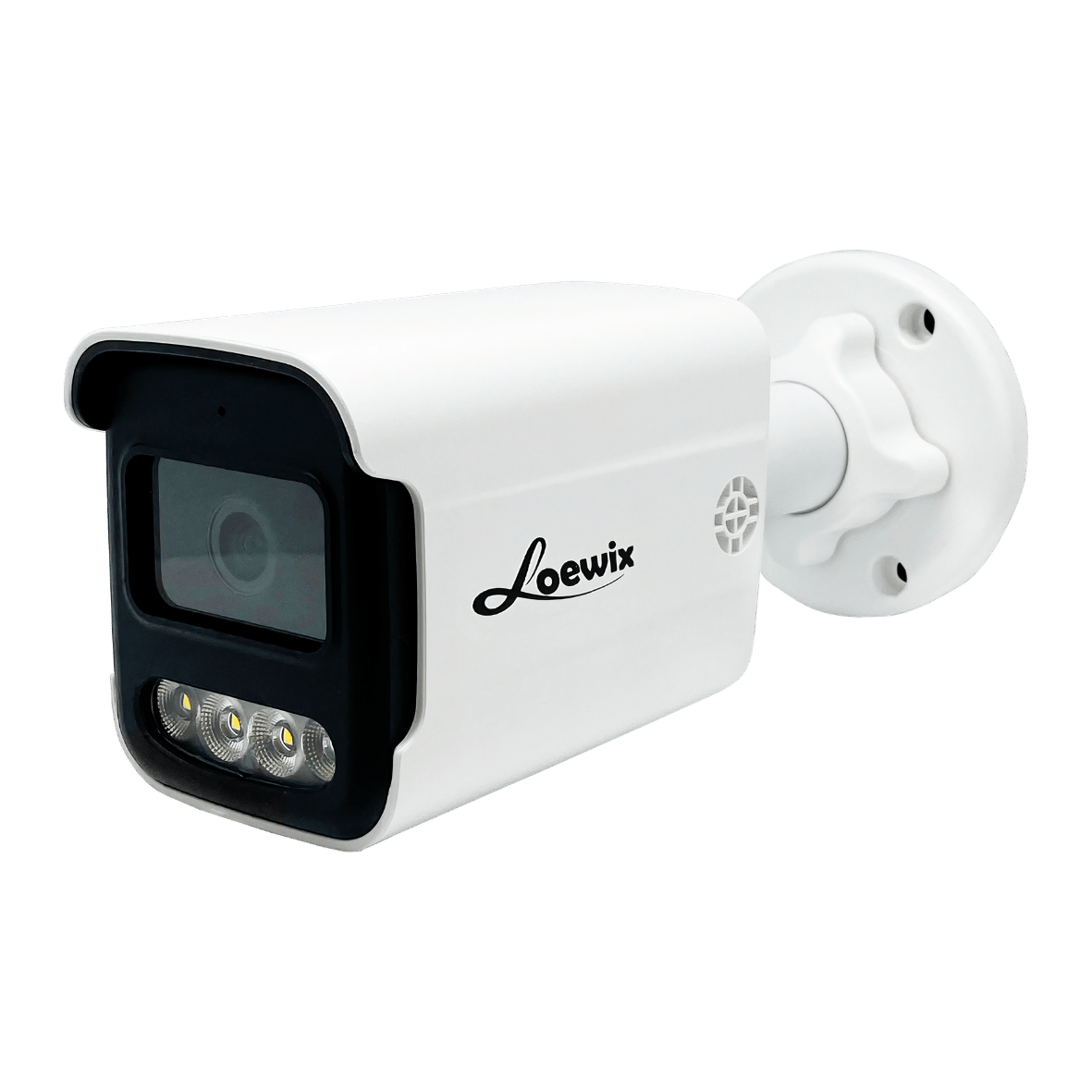
A CCTV blind spot is an area that falls outside the camera's field of view, leaving it unrecorded. This often happens unnoticed because many users focus solely on resolution or advanced features while neglecting placement strategy. Even the highest-spec camera is ineffective if it leaves critical gaps in your surveillance coverage.
Understanding blind spots is a vital step in the pre-installation process to ensure your security system provides maximum protection for the long term.
Common Causes of Blind Spots
Blind spots are usually the result of technical oversights during installation:
-
Improper Camera Positioning: Installing a camera too high or at an awkward angle can create "dead zones" directly beneath or to the sides of the device.
-
Incorrect Lens Angle: Every lens has a specific Field of View (FOV). A lens that is too narrow restricts the monitored area, while a lens that is too wide may capture a large area but lose crucial detail on distant objects.
-
Physical Obstructions: This is common in warehouses or industrial sites. Objects such as cabinets, pillars, trees, or large machinery can permanently block the camera's line of sight.
-
Poor Lighting Conditions: Uneven lighting or extreme backlighting can create dark patches in the footage. While the area is technically being recorded, the lack of visual clarity turns it into a functional blind spot.
How to Detect CCTV Blind Spots
Before finalizing your installation, perform these checks:
-
Monitor Analysis: Check the live feed. If certain corners or paths are invisible on the screen, adjust the camera position immediately.
-
The Walk Test: Have someone walk through the entire area intended for surveillance. If the person "disappears" from the screen at any point, you have identified a blind spot.
Strategies to Avoid Blind Spots
A well-planned installation can significantly reduce security gaps:
-
Comprehensive Site Planning: Map out camera points based on entryways, primary activity paths, and required viewing distances before drilling.
-
Optimizing Camera Angles: Point cameras toward high-risk areas like entrances and hidden corners. Ensure no static objects are obstructing the lens.
-
Adding Strategic Cameras: Not every large area can be covered by a single camera. Often, adding an extra unit is more effective than forcing one camera to monitor an oversized space.
-
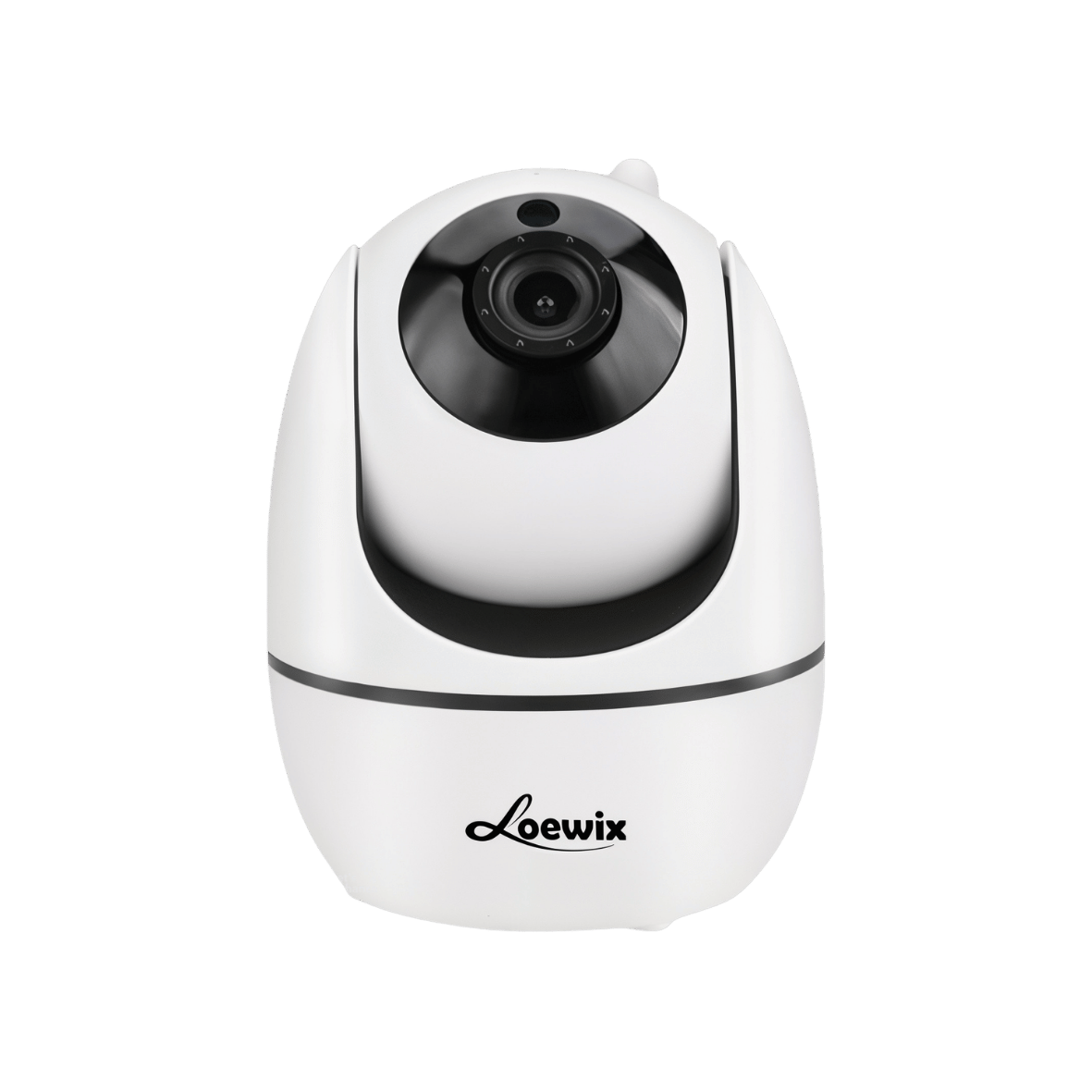
Use a Stable System: Choosing a system that is easy to configure, such as Loewix, allows installers to make precise adjustments to the viewing angles efficiently.
Conclusion: Robust security is not just about expensive hardware; it’s about total surveillance coverage. By conducting thorough site planning and optimizing camera positions, you can significantly reduce blind spots, ensuring every corner of your property is perfectly protected.