Installing CCTV is a smart move to enhance your property's security. However, amidst the desire to feel safe, common questions often arise: "Am I breaking the law? What if my neighbors feel disturbed? Can I record audio?"
These concerns are completely valid. Surveillance is not just about technology; it is also about ethics and the law. This article discusses the "rules of the game" for CCTV installation in Indonesia so you can feel completely secure—safe from criminal threats and safe from potential legal issues.
Understanding the Legal Basis in Indonesia
While there isn't a specific "CCTV Law" yet, installation intersects with two primary legal frameworks:
- Law No. 27 of 2022 on Personal Data Protection (UU PDP): Video recordings displaying a person's face or identity are considered personal data. This means recording, storing, and using them must be done responsibly.
- Law No. 19 of 2016 on Electronic Information and Transactions (UU ITE): Misusing CCTV footage, such as spreading it to embarrass someone, can lead to criminal charges under the ITE Law.
The main principle is a balance between security needs and the right to privacy. As long as CCTV is installed for legitimate purposes (preventing crime, protecting assets) and does not unreasonably infringe on others' privacy, it is legally justifiable.
Installation Areas: Where is it Allowed?
1. Inside Private Property (Home, Yard, Garage)
- Status: Fully Allowed.
- Explanation: You have the full right to monitor all areas within your property boundaries to ensure the safety of residents and assets.
2. Facing Public Areas (Public Roads, Alleys)
- Status: Allowed with Notes.
- Explanation: Recording public areas directly adjacent to your property is generally permitted for security. However, the primary focus must remain on your property (e.g., your gate or porch), not specifically to spy on public activity.
3. Facing a Neighbor’s Property
- Status: High Risk & Not Recommended.
- Explanation: This is a common source of conflict. Avoid pointing cameras directly at a neighbor's private areas (bedroom windows, backyards). This can be considered a privacy violation and may trigger civil lawsuits.
4. Business Places or Offices
- Status: Allowed with Transparency.
- Explanation: Business owners may install CCTV but must inform employees and visitors. Clear signage like "This Area is Under CCTV Surveillance" is mandatory. Installation in highly private areas like toilets or changing rooms is strictly prohibited.
Important: What about Audio Recording? Recording video and audio are different in the eyes of the law. Audio is more sensitive as it involves private conversations. Recording someone's conversation without consent can be considered illegal wiretapping. Best advice: To avoid legal risks, disable the audio feature unless absolutely necessary and consented to.
Loewix: Smart Solutions for Responsible Security
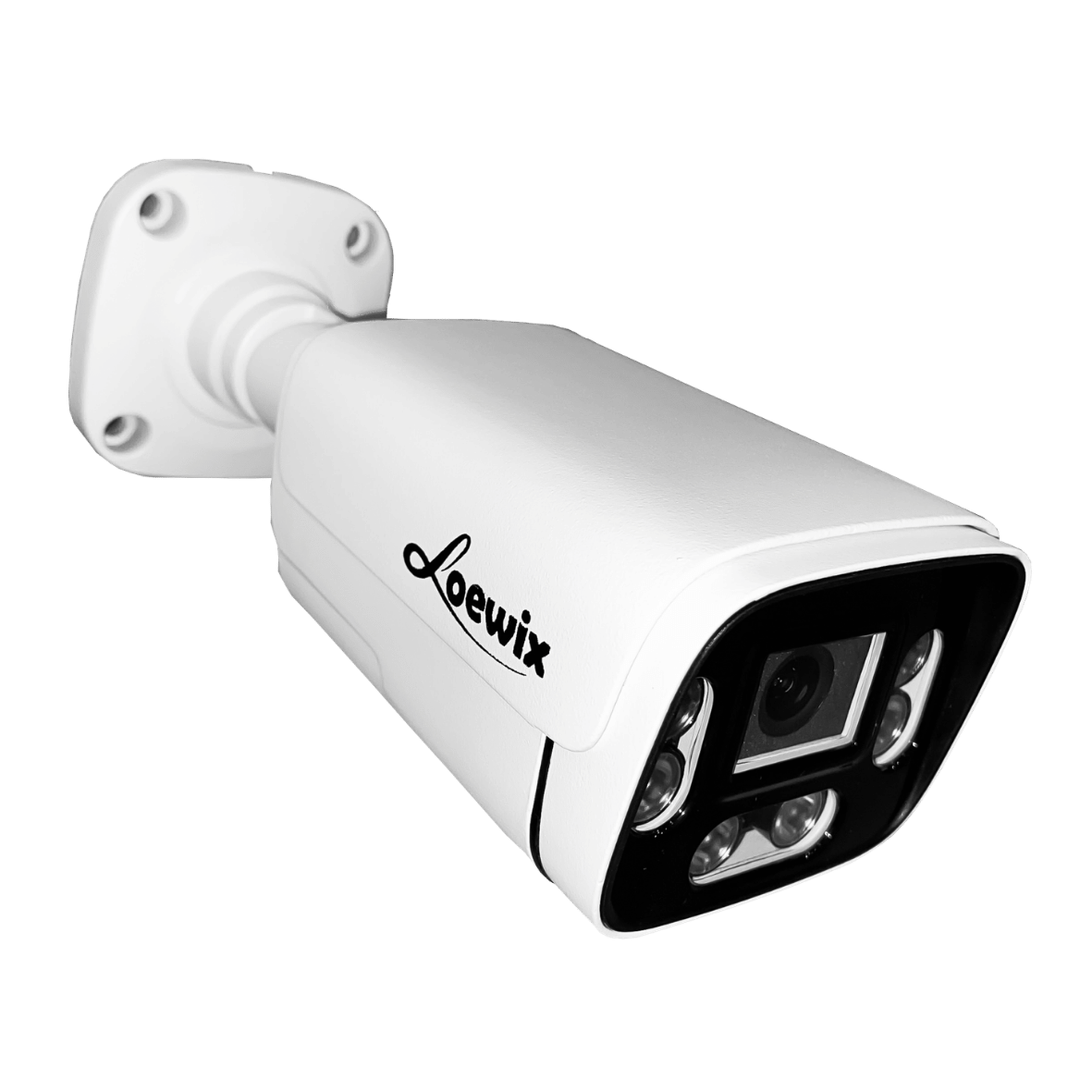
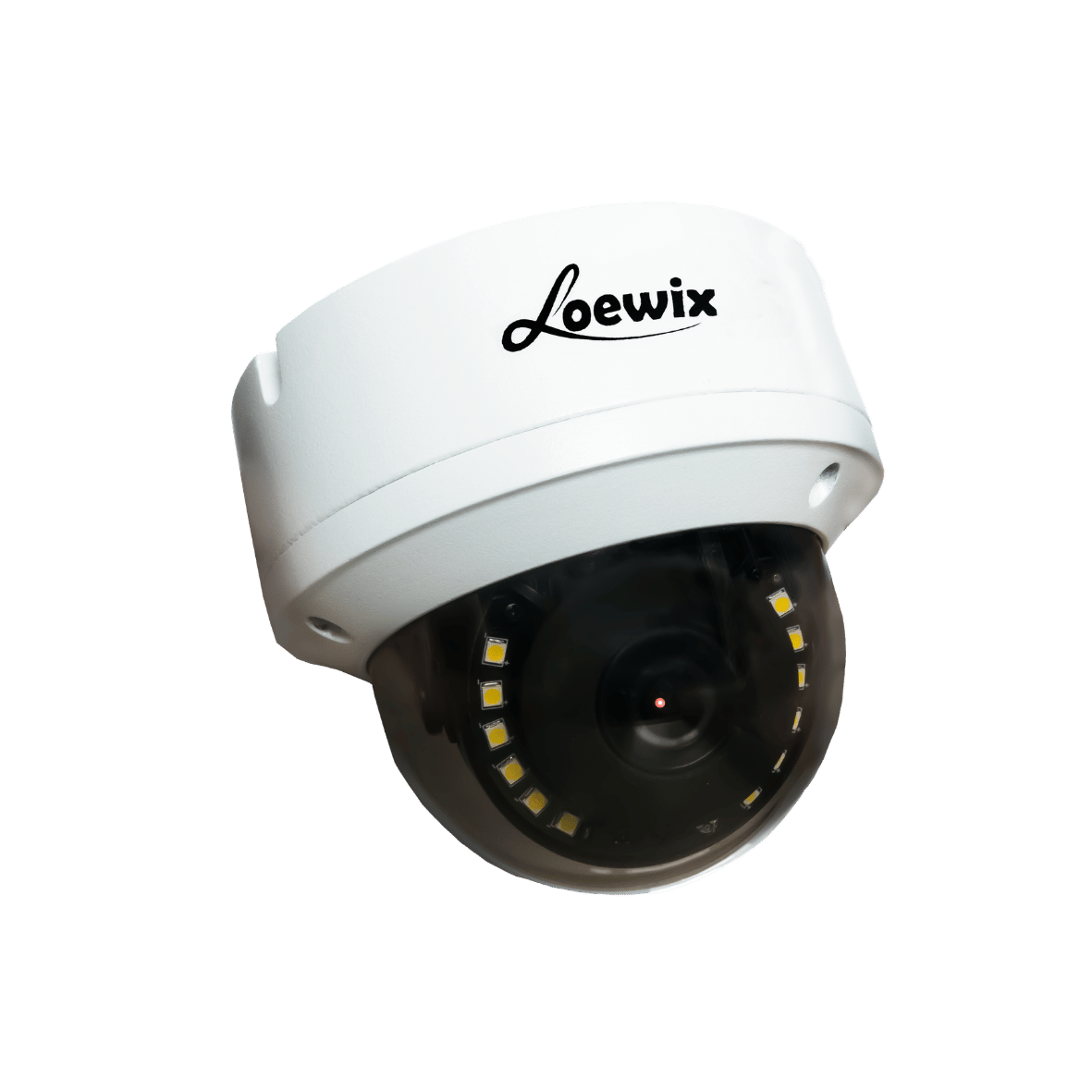
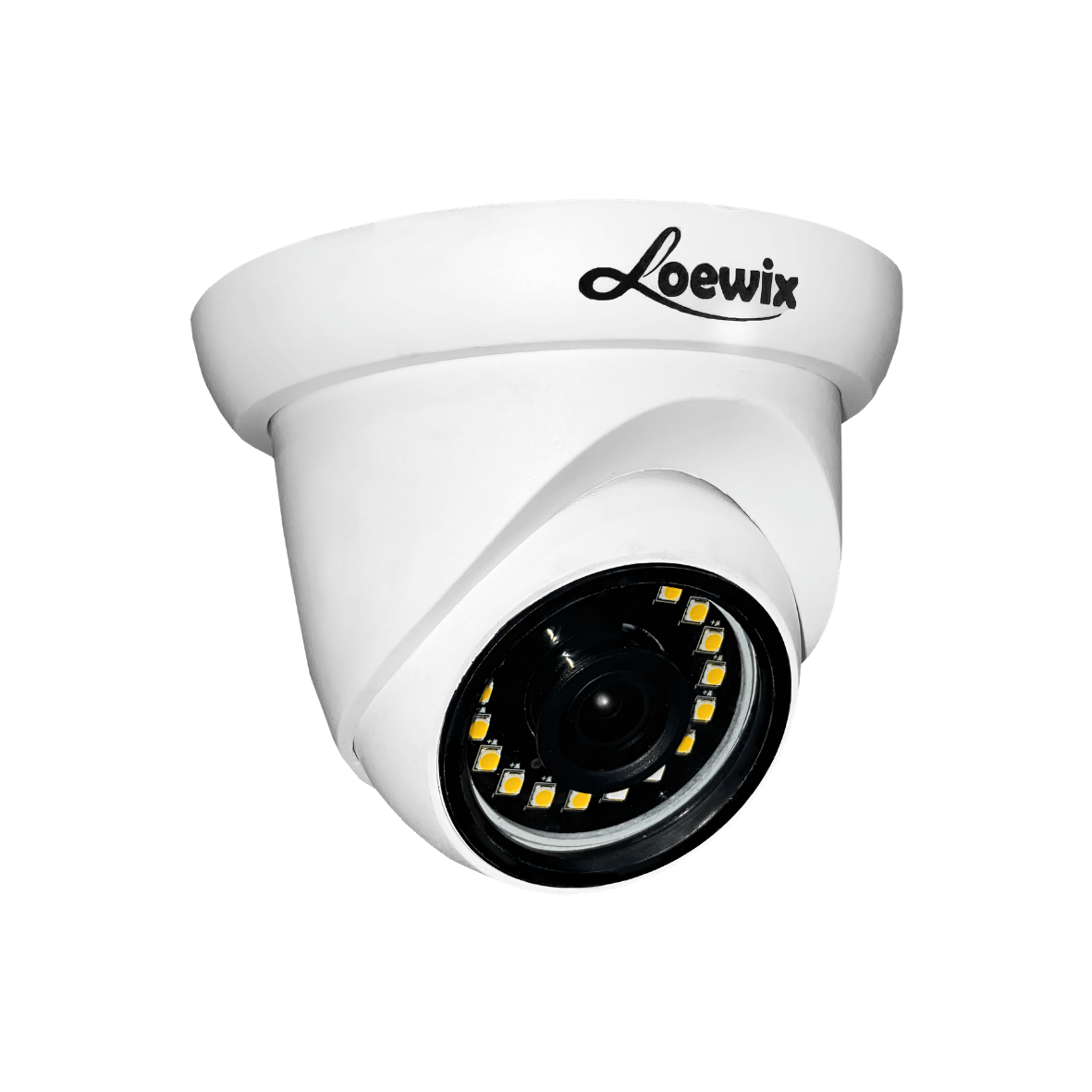
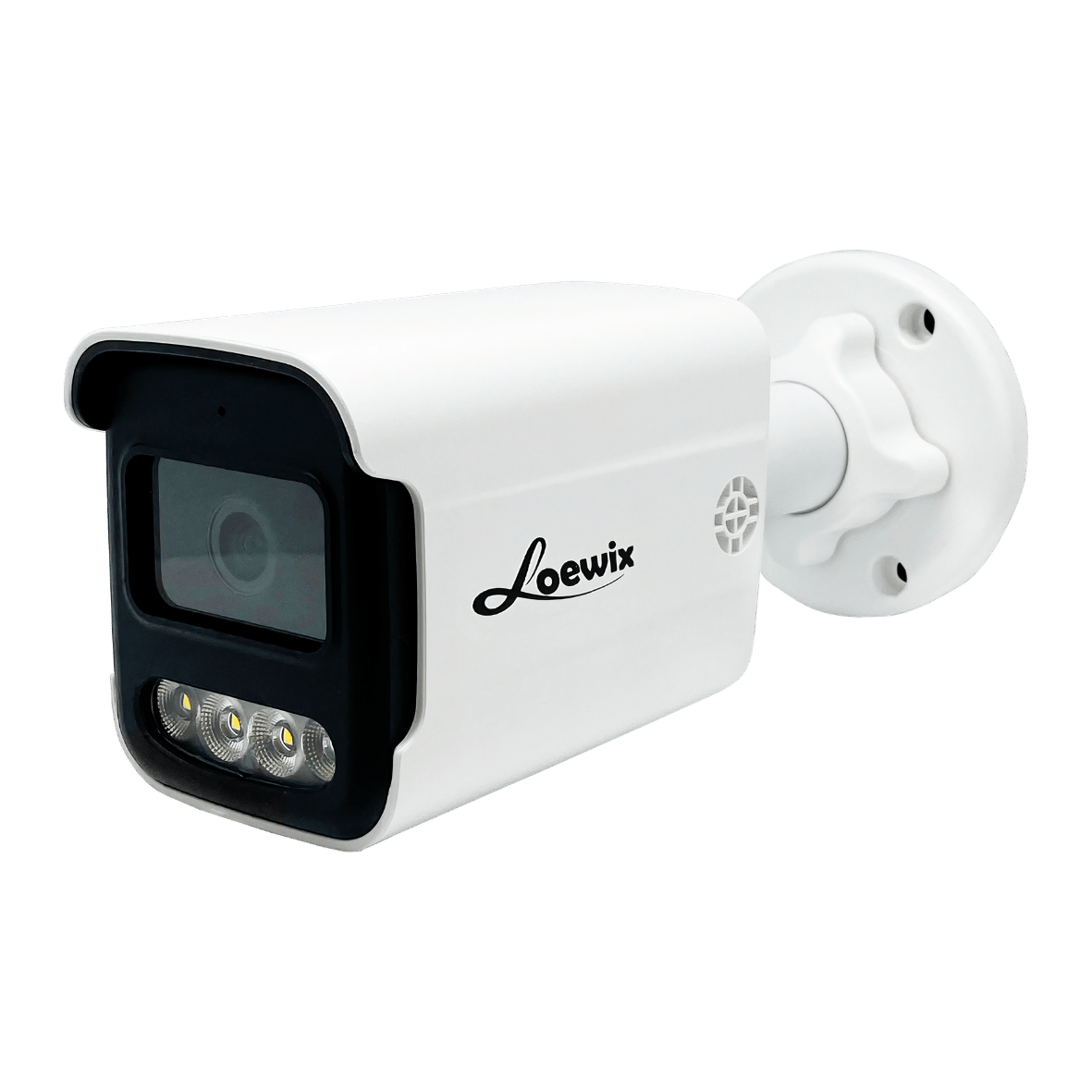
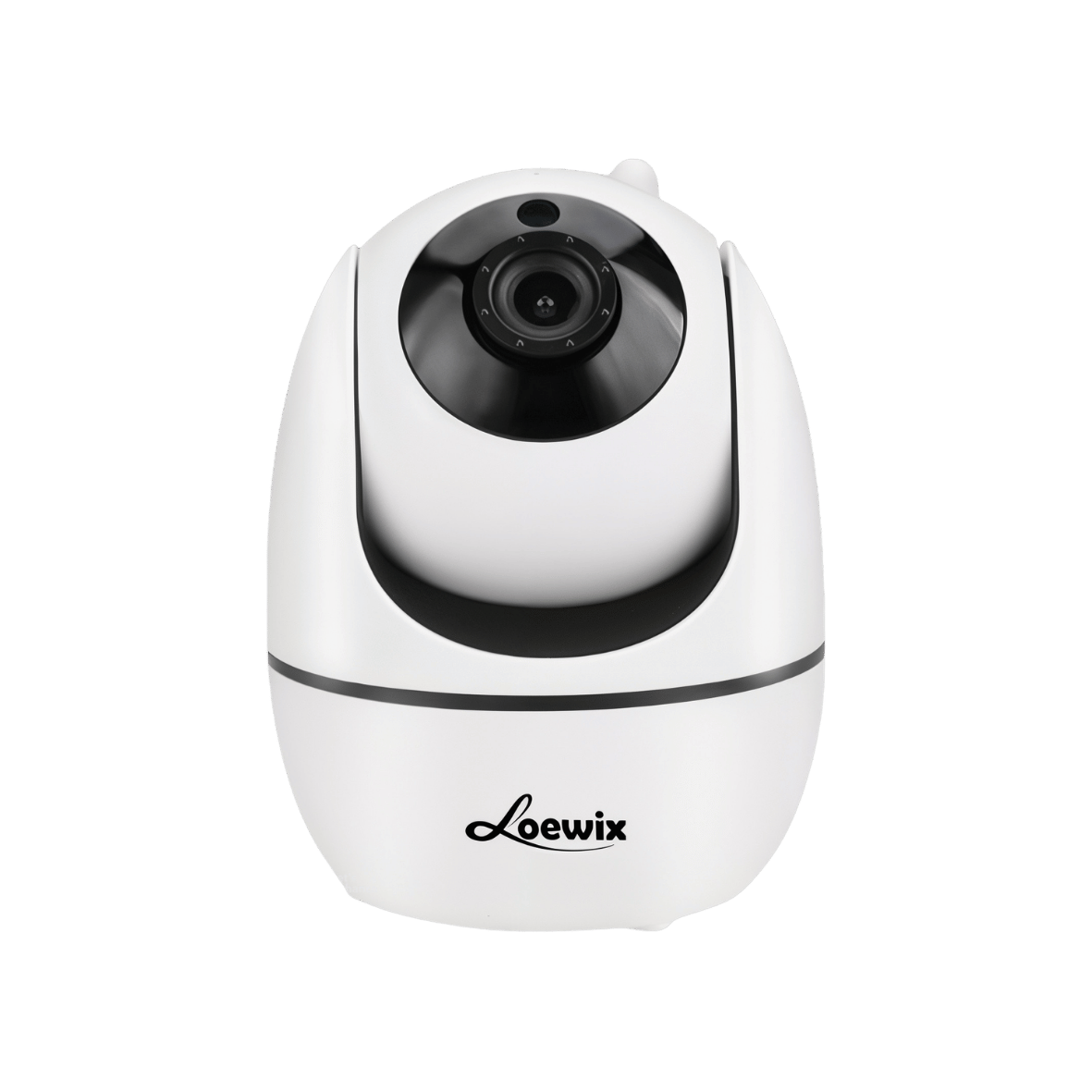
Understanding the law is the first step; choosing the right partner is the second. Loewix CCTV offers more than just cameras:
- Professional Installation Consultation: Our experts don't just mount devices; they recommend strategic and ethical placement to maximize security without violating a neighbor's privacy.
- Full Control in Your Hands: With Loewix mobile access, you can monitor and adjust your camera's view directly from your phone, ensuring it only records what it should.
- Crystal Clear Quality: If you ever need footage as valid evidence, Loewix's Full HD quality ensures details, faces, and license plates are recorded clearly. Blur helps no one; Loewix recordings are accountable.
Conclusion
Installing CCTV is your right to protect what is precious. By understanding legal boundaries and privacy ethics, you can enjoy security without anxiety. It’s not just about owning a camera; it’s about building a smart, responsible security system.
Get advanced technology and expert installation consultation with Loewix CCTV. Contact us today for a security solution that truly gives you peace of mind!