Many people assume that issues with a CCTV system are always caused by the quality of the product. In reality, many cases of surveillance failure occur due to technical installation details that were overlooked from the start. A system might appear to function normally right after setup, only to develop issues like unstable images, camera failure, or blurry recordings weeks later. These complaints are often rooted in installation errors rather than the hardware itself.
Understanding common installation mistakes helps both installers and users reduce long-term risks and ensure the system remains reliable.
Commonly Ignored Technical Mistakes
Here are several installer errors that frequently occur during the mounting process:
-
Selecting the Wrong Camera for the Location: Not all cameras fit every environment. Using an indoor camera in an open outdoor area or a standard camera in a low-light zone will yield sub-optimal results.
-
Mounting Infrared Too Close to Objects: For IR cameras, distance is key. If a camera is mounted too close to a wall or a protruding object, the infrared light can bounce back, causing the image to look "white-out" or foggy at night.
-
Using Low-Quality Cables and Connectors: These are often seen as minor components, but they are the "veins" of the system. Poor quality cables lead to signal interference, flickering images, or cameras not being detected at all.
-
Ignoring DVR/NVR Compatibility: In many projects, new cameras are integrated into existing recorders. If compatibility isn't checked, features might be disabled, or the camera may fail to read correctly.
-
Placement Without Lighting Considerations: A camera facing a direct light source will produce an overexposed (silhouetted) image. Placement must consider both day and night lighting conditions to ensure consistent clarity.
-
Failing to Test Night Vision: Many systems are only tested during the day. Without a night-time trial, issues like blind spots in the dark or poor IR range remain undetected until it's too late.
Impact on Projects and Installers
Neglecting these details doesn't just hurt security; it impacts business efficiency:
-
Frequent Client Complaints: Leading to a loss of trust.
-
Costly Re-installations: Installers spend more time fixing old jobs than starting new ones.
-
Damaged Reputation: Word-of-mouth travels fast in the security industry.
-
Increased Operational Costs: Extra time and travel for maintenance that could have been avoided.
How to Avoid Installation Issues
To minimize errors, a more planned approach is required from day one:
-
Conduct Site Planning: Map out camera points based on area conditions, lighting, and required monitoring distance.
-
Pre-Installation Testing: Always test cameras on-site for both day and night conditions before finalizing the mount.
-
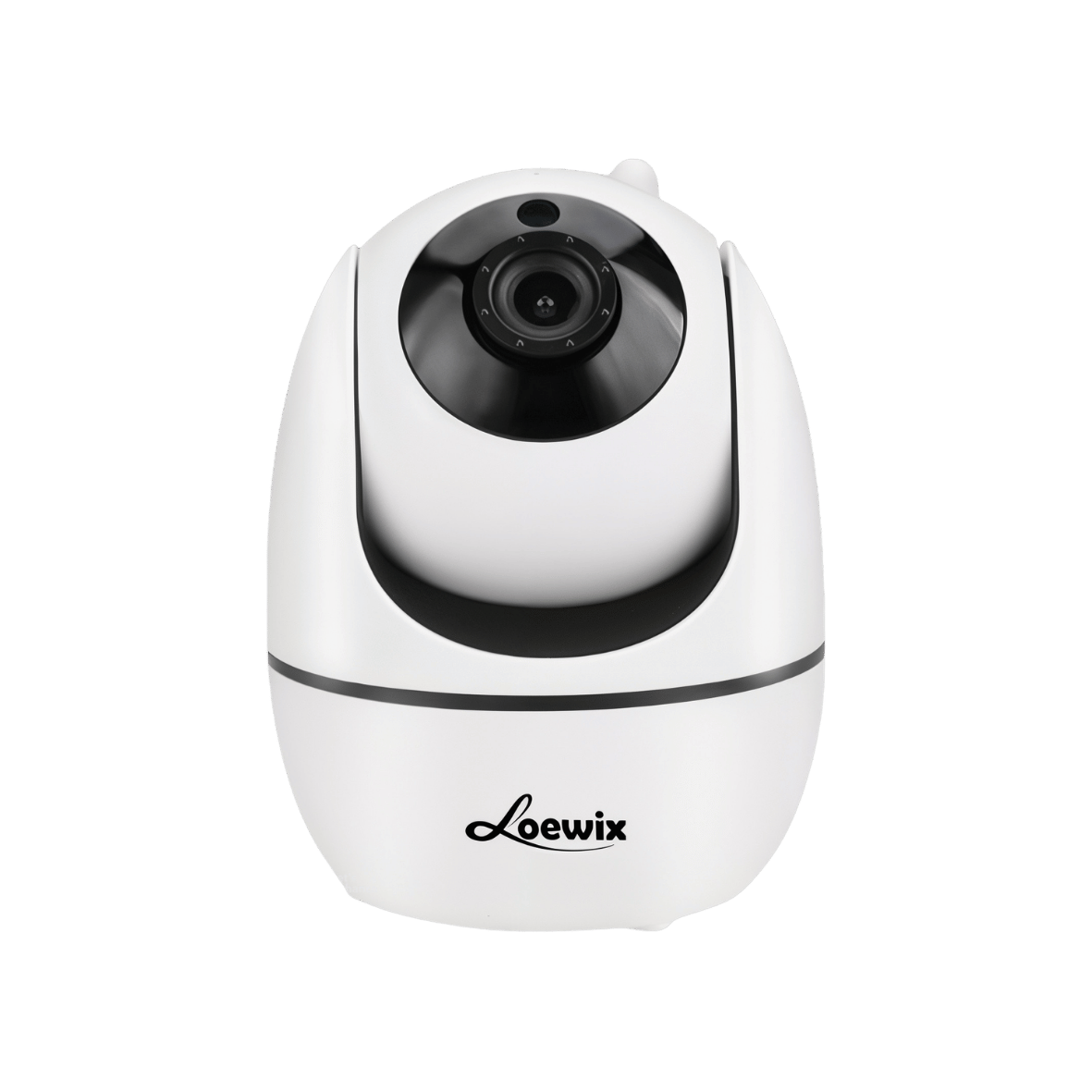
Choose Stable and Compatible Systems: Use brands known for their stability and broad compatibility. Loewix systems, for instance, are designed to be "installer-friendly," making them easier to integrate and handle if troubleshooting is needed.
A high-quality installation is the deciding factor in the lifespan of a CCTV system. By paying attention to technical aspects from the start, you ensure a stable, long-lasting security solution.