When you decide to install surveillance cameras, one of the first questions that arises is: is it better to choose a wired or a wireless CCTV system? Both are popular and have their own unique advantages. However, the right choice depends heavily on your needs, installation location, and priorities.
Understanding the fundamental differences between the two is the key to obtaining the most effective security system. This article will thoroughly discuss the pros and cons of each system to help you make a smart decision.
Understanding Wired CCTV (Wired System)
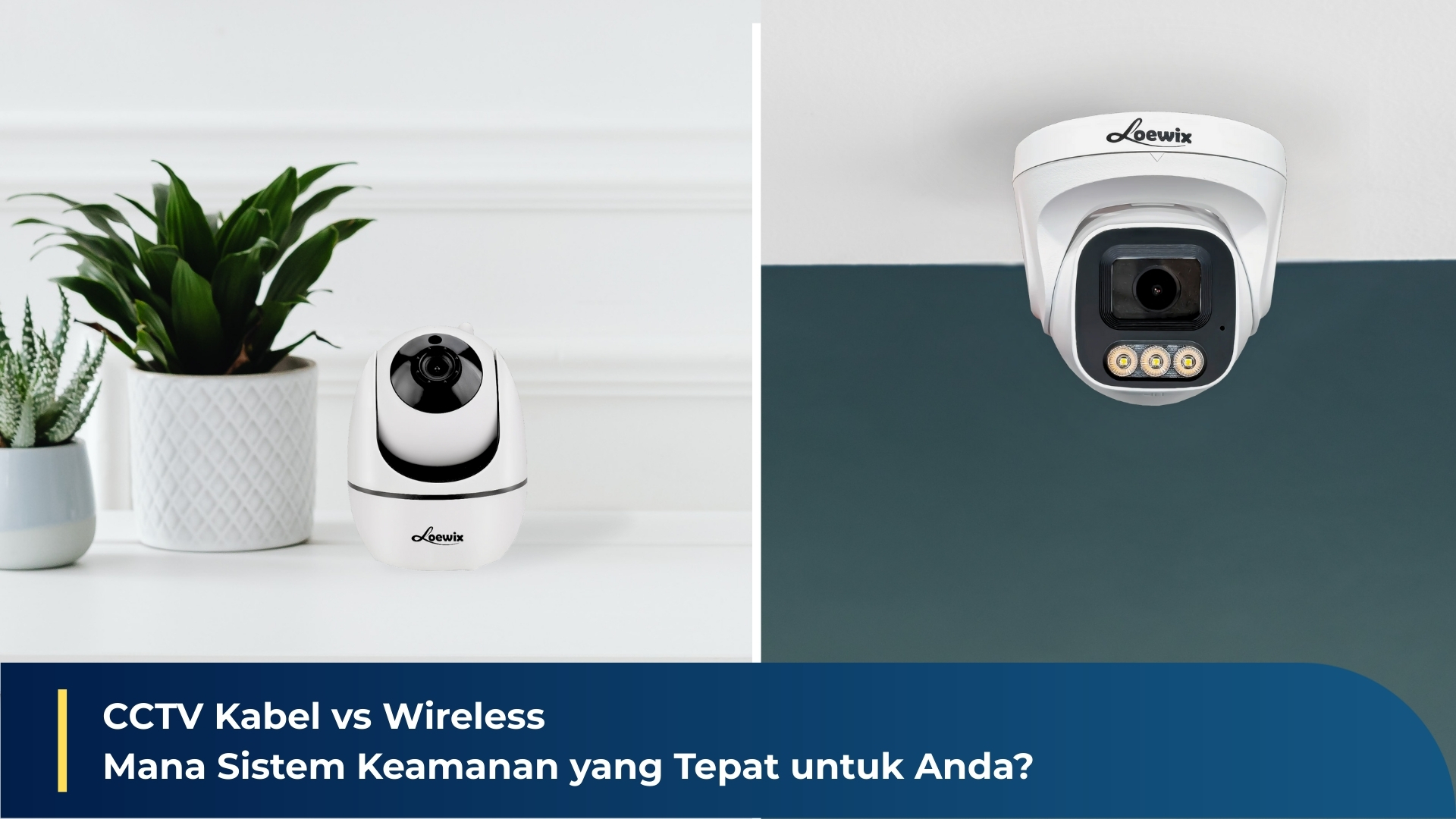
A wired CCTV system is the traditional type of surveillance. As the name suggests, each camera is physically connected via cables to a centralized recording device (DVR or NVR). These cables serve a dual purpose: transmitting video signals and supplying electrical power.
Pros of Wired CCTV:
-
Highly Stable and Reliable Connection: Because it is directly connected by cable, the video signal will not be interrupted by bad weather, weak Wi-Fi signals, or interference from other devices.
-
Maximum Video Quality: Wired connections allow for high-resolution video data transfer without heavy compression, resulting in clearer and sharper image quality.
-
Higher Data Security: This closed system is harder to hack remotely compared to systems that rely on a Wi-Fi network.
Cons of Wired CCTV:
-
More Complex Installation Process: Installation requires drilling holes in walls and running long cables, which demands more time and effort.
-
Less Flexible: The camera positions are not easily moved once they are installed.
-
Less Aesthetic Appearance: Visible cables can slightly disturb the beauty of a building's interior or exterior if not installed neatly.
Getting to Know Wireless CCTV (Wireless System)
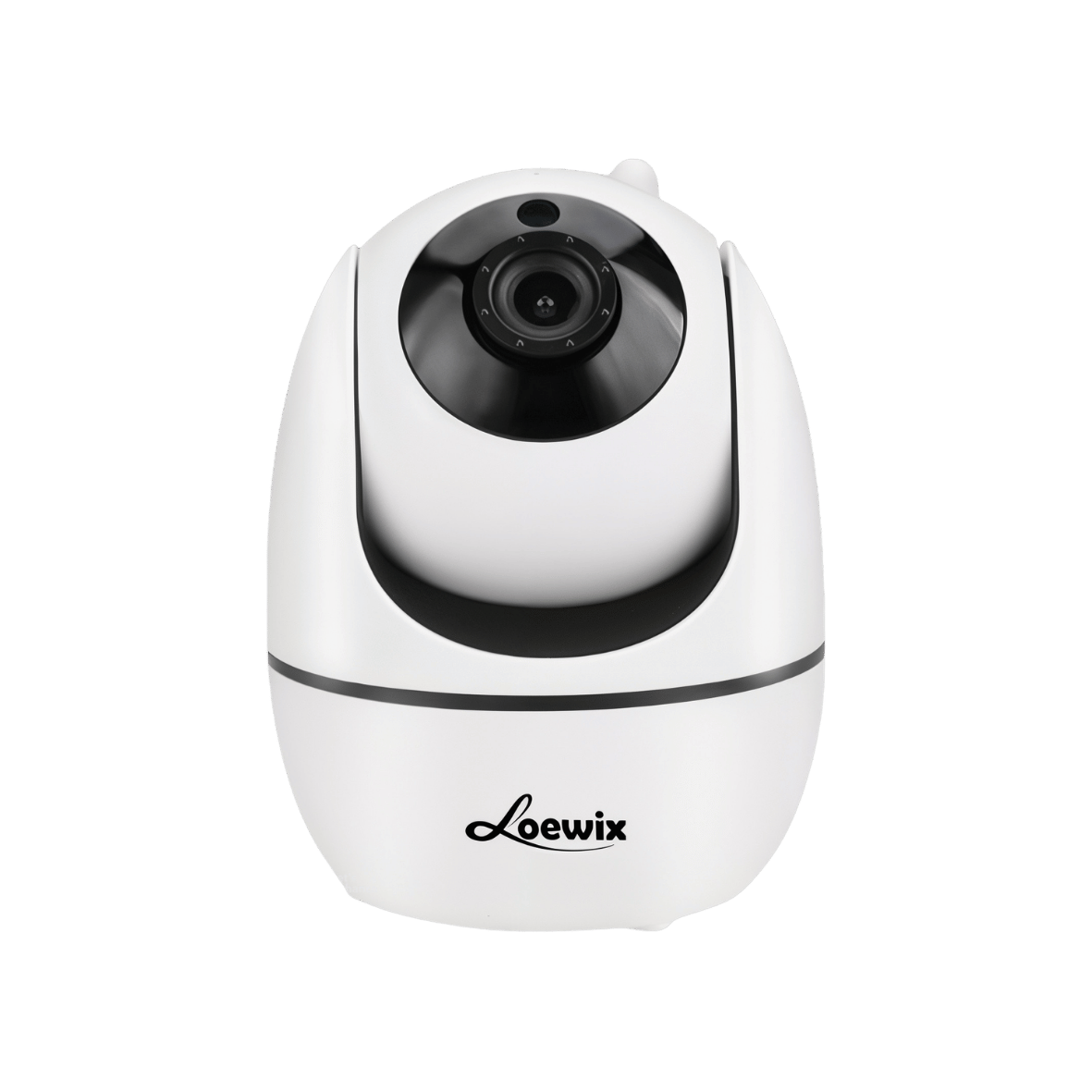
Wireless CCTV transmits video signals through a Wi-Fi network to a recording device or the cloud. Although called "wireless," it is important to remember that most of these cameras still require a power cable to connect to an electrical source. Only specific types are truly cable-free because they use batteries.
Pros of Wireless CCTV:
-
Easy and Fast Installation: You don't need to run long data cables, making the installation process much simpler and quicker.
-
Highly Flexible: Cameras can be easily moved to other locations as long as they remain within Wi-Fi signal range and near a power source.
-
Neater Appearance (Aesthetic): Without video cables running around, the setup looks cleaner and more modern.
Cons of Wireless CCTV:
-
Dependence on Wi-Fi Signal: The quality and stability of recordings depend heavily on your Wi-Fi signal strength. A weak or unstable signal can cause laggy video or go offline.
-
Cybersecurity Risks: If your Wi-Fi network is not properly secured (e.g., weak passwords), this system is more vulnerable to hacking.
-
Still Requires Power: Most cameras still need a power cable, and for battery-powered ones, you must regularly recharge them.
So, Which One Should I Choose?
The best choice comes back to your specific needs:
-
Choose Wired CCTV if: You are a business owner, have a large house, or prioritize the most stable and secure connection without interference.
-
Choose Wireless CCTV if: You are a renter (cannot drill walls), need the flexibility to move cameras around, or prioritize ease of installation for a smaller area.
Making this decision can be difficult. This is why consulting with an expert is crucial. The professional team at Loewix CCTV doesn't just sell products; we help analyze your specific needs. Does your property suit a stable wired system or a flexible wireless system? We will provide the best recommendation that fits your location and budget.
Both wired and wireless CCTV systems offer great protection. By understanding the pros and cons, you can choose the most suitable solution. Don't hesitate to ask for expert help so that your security investment yields maximum results.
Ready to find the right security system for you? Contact Loewix CCTV today for a free consultation! FREE CONSULTATION AND FREE SURVEY