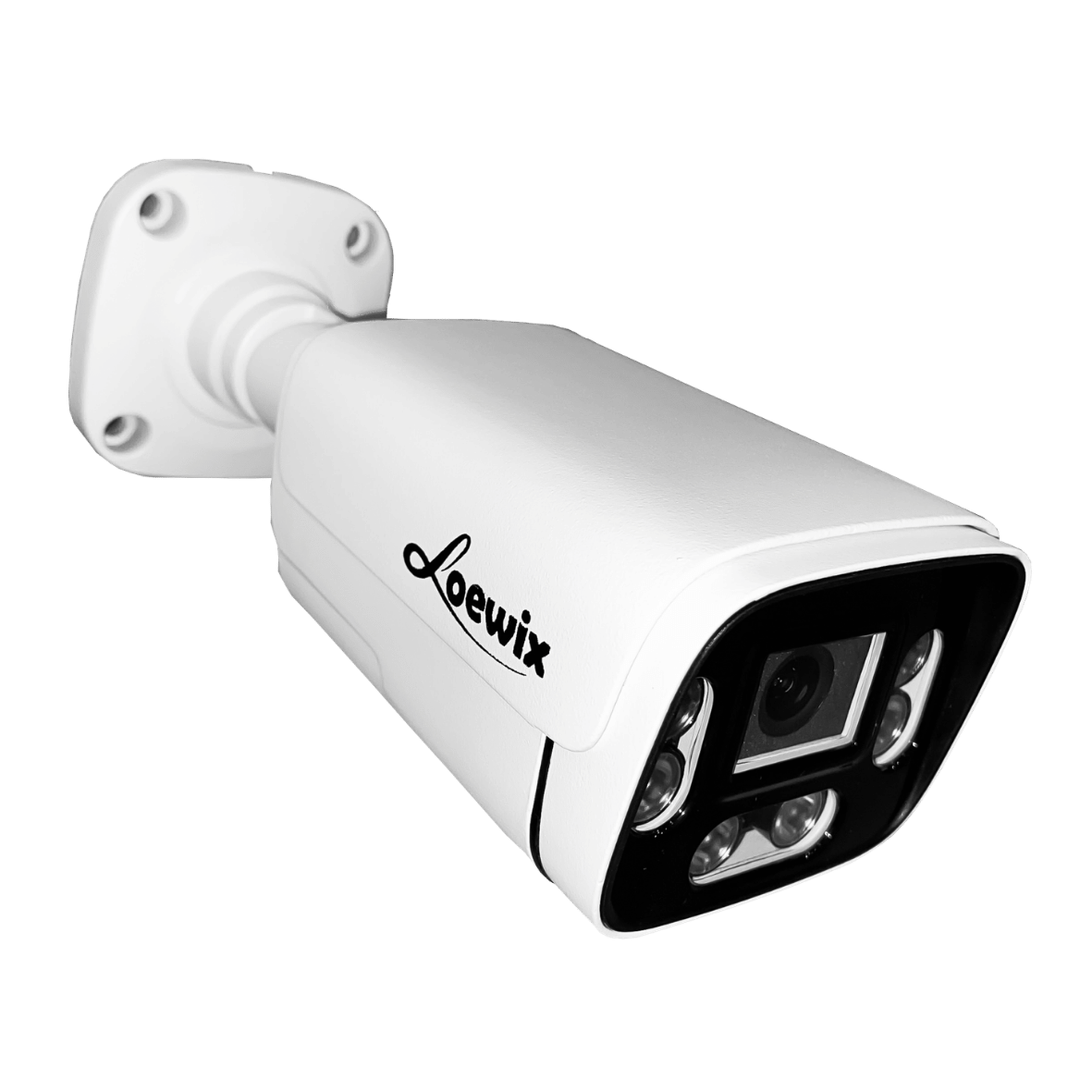
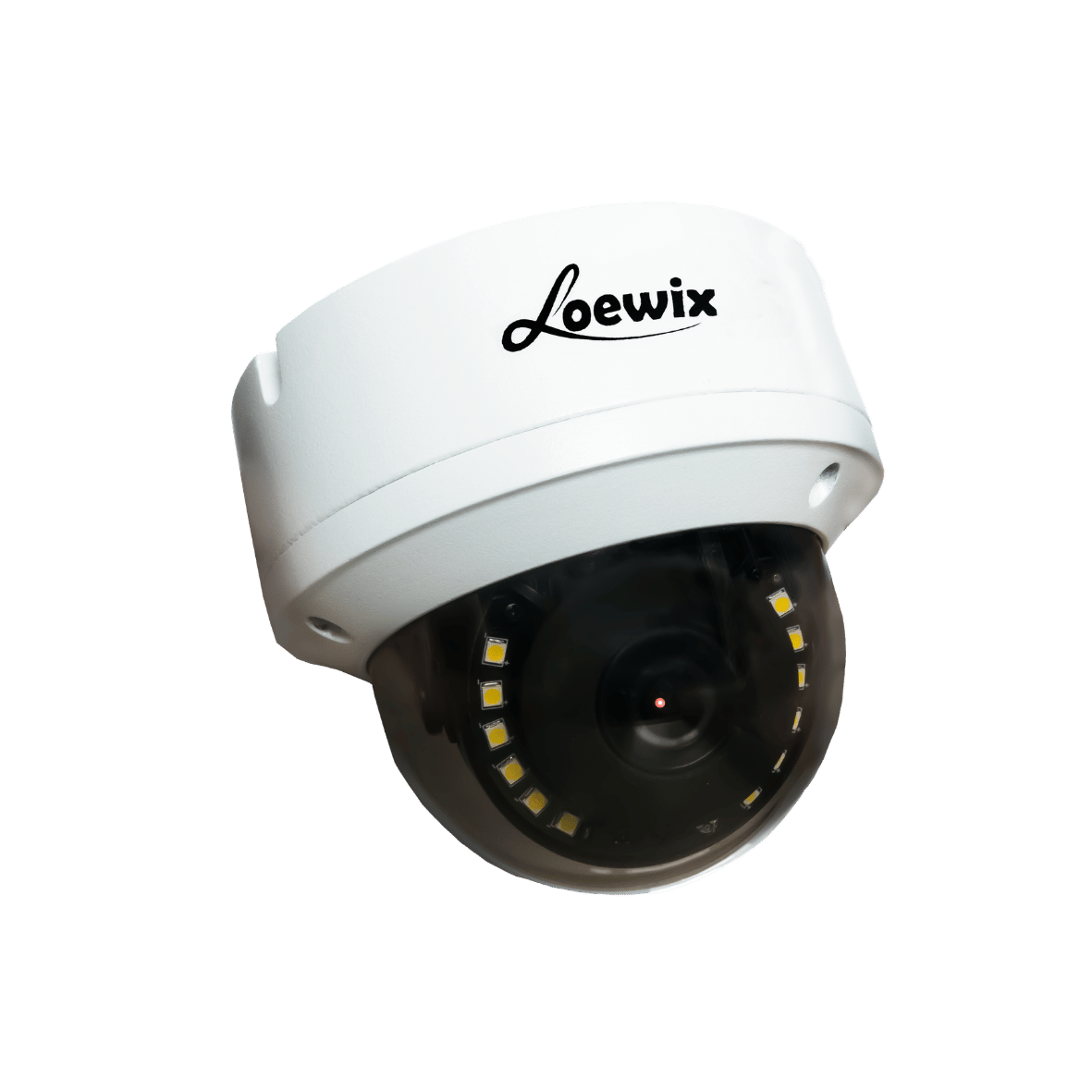
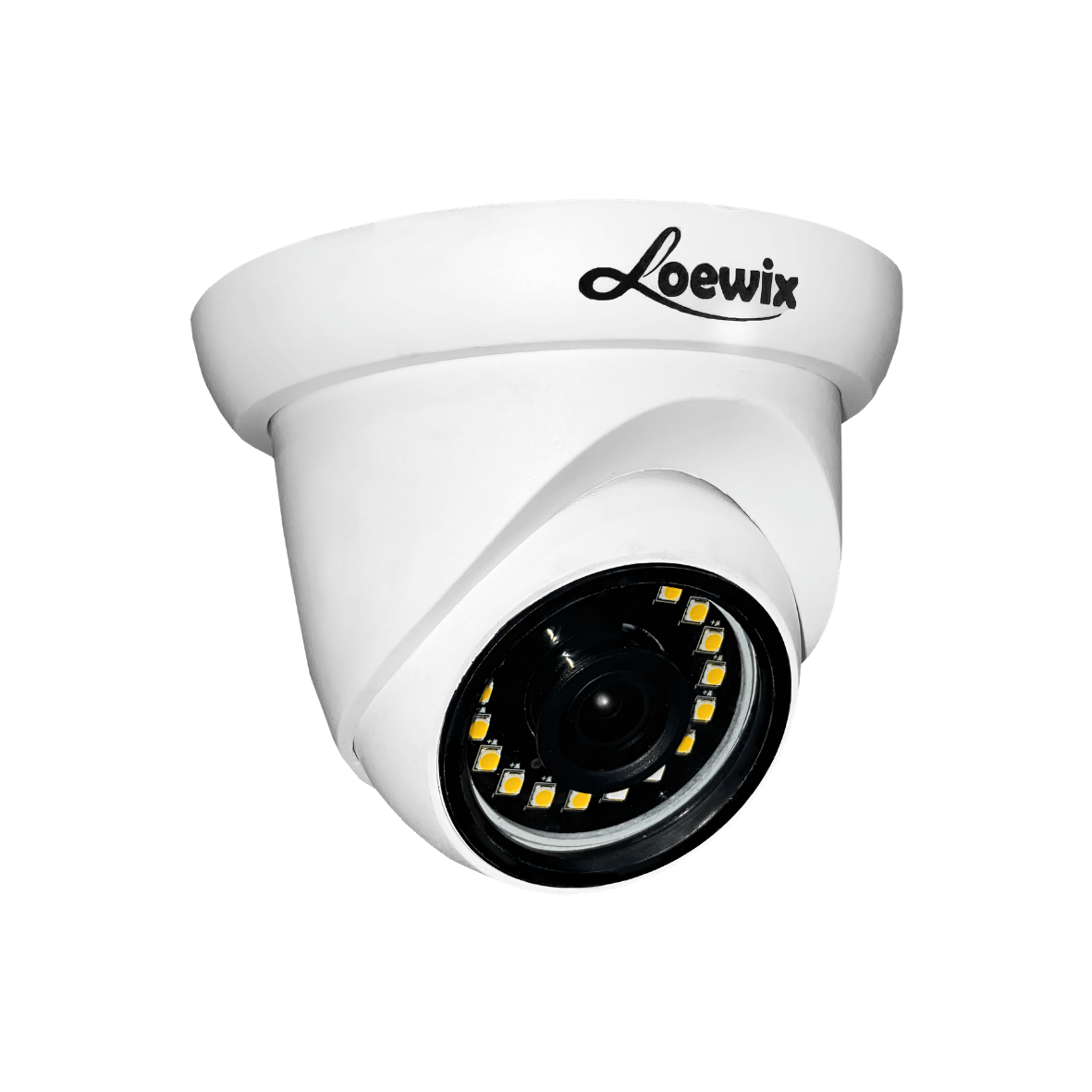
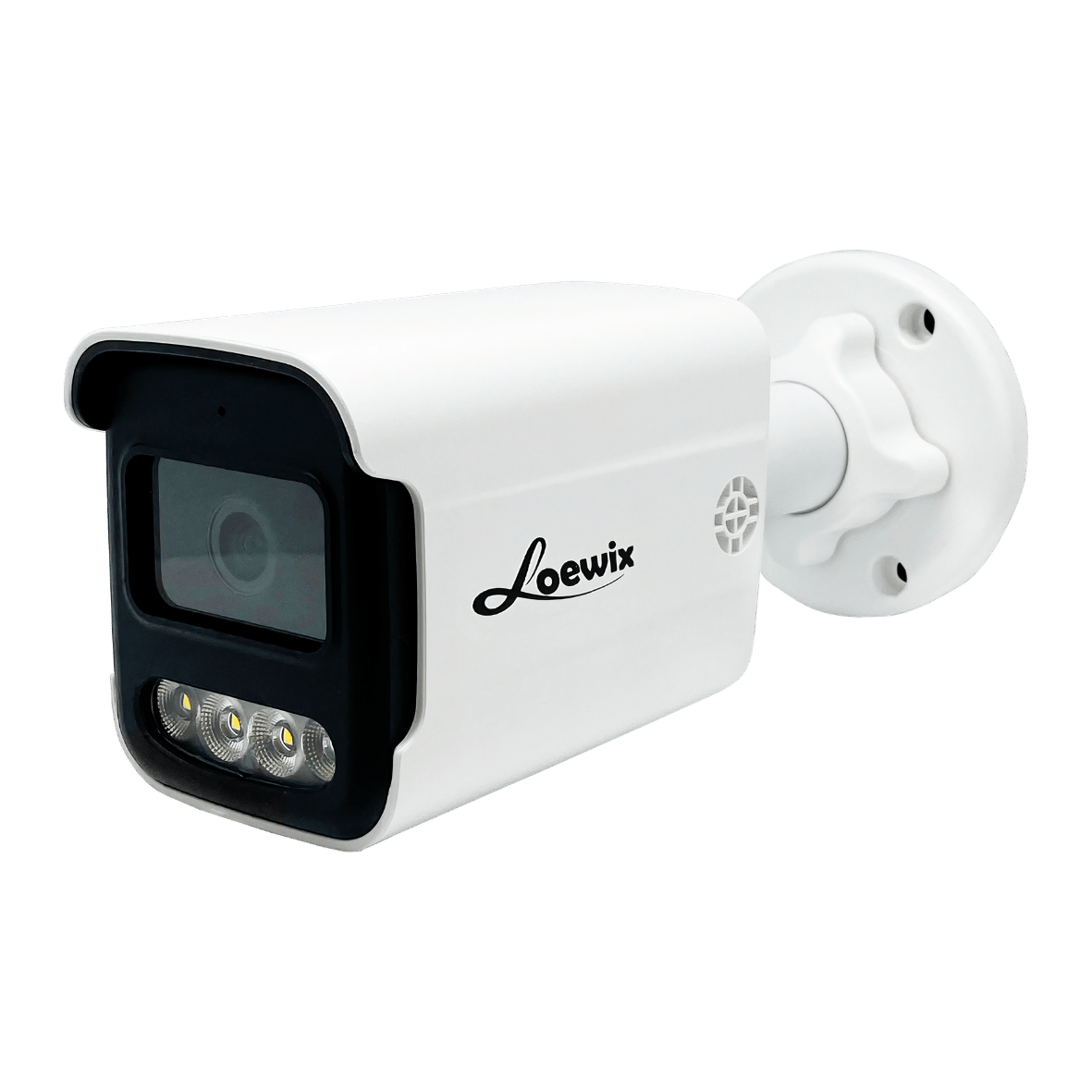
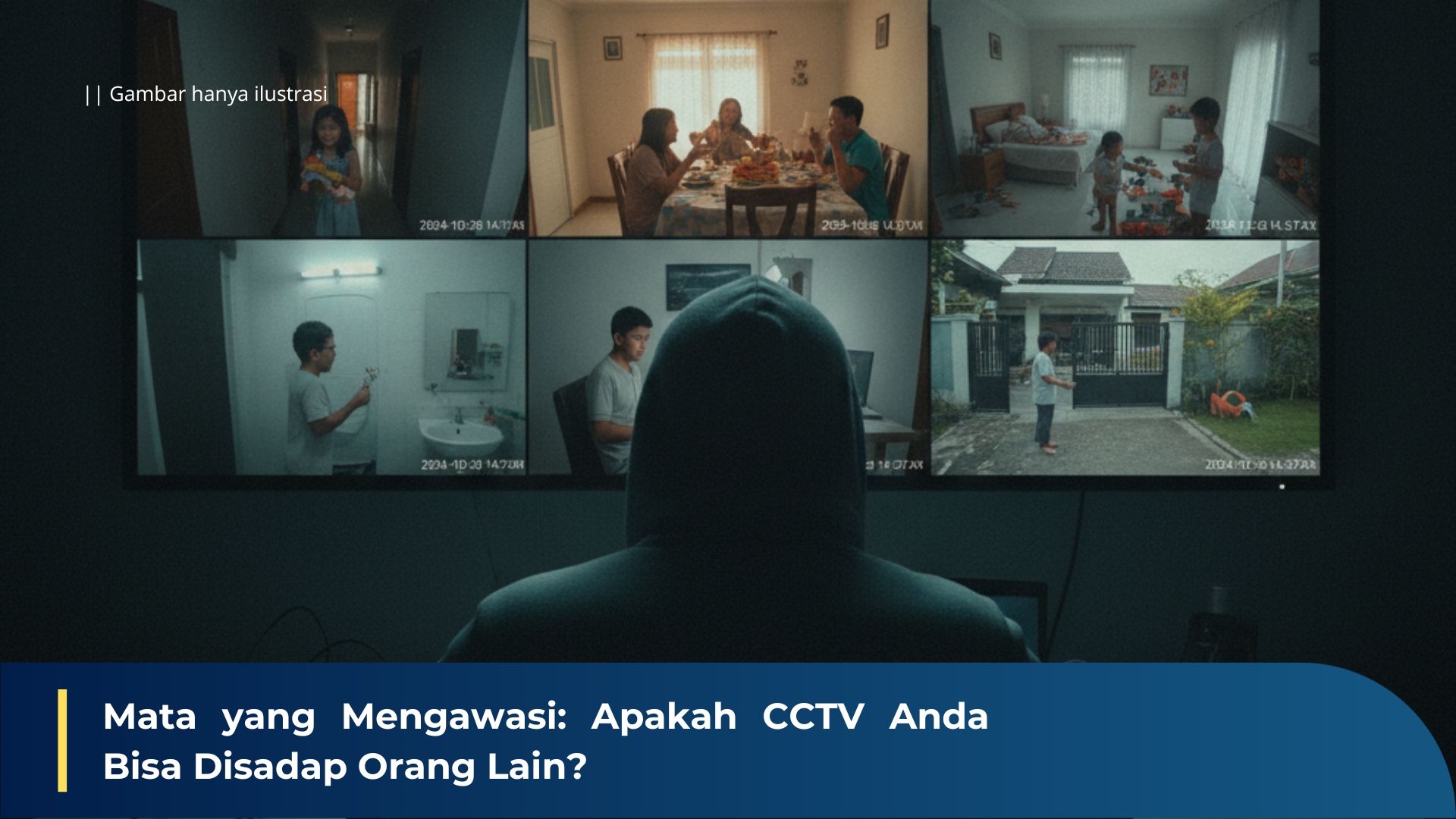
CCTV cameras provide incredible peace of mind; they are the digital eyes guarding our homes and businesses. However, behind the benefits, a major concern arises in the digital era: "Could the camera supposed to watch strangers actually become a stranger’s eye watching us?"
This is a very valid and important question. The answer is yes, the risk of hacking exists.
But there is good news. Most CCTV hacking cases worldwide don't happen because of "super-genius hackers" like in the movies. Instead, they occur through basic "entry points" that we often forget or underestimate. Think of your CCTV system like a house; to stay safe, you must ensure all doors and windows are locked. Here are the three main entry points hackers exploit.
1. The Unlocked "Front Door": Default Passwords
This is the number one cause of 90% of CCTV hacking cases. When first installed, many CCTV devices come with a default password that is extremely easy to guess, such as "admin," "12345," or "password." Many users—and even some technicians—forget or neglect to change them.
- How it's exploited: Hackers use automated programs that scan the internet for CCTV devices and try millions of common default password combinations. If yours hasn't been changed, the program "walks through the front door" with ease.
- How to lock it: Change it immediately! As soon as your CCTV is active, replace the default password with a strong combination (uppercase, lowercase, numbers, and symbols). Also, keep it unique—do not reuse passwords from your social media or email.
2. The Wide-Open "Window": Weak Wi-Fi Networks
Your CCTV system connects to the internet through your home or office Wi-Fi. This means your CCTV’s security is only as strong as your Wi-Fi security. If your Wi-Fi password is weak or uses an outdated security system, it’s like leaving your windows wide open.
- How it's exploited: If a hacker gains access to your Wi-Fi network, they can potentially see and access every device connected to it, including your CCTV cameras, regardless of the brand.
- How to lock it: Use a long, strong Wi-Fi password and ensure your router uses the latest security standards (at least WPA2 or WPA3).
3. The Fragile "Foundation": Obscure/Generic Brands
This is an invisible but highly dangerous entry point. Some ultra-cheap, unknown CCTV brands often ignore cybersecurity. Their firmware (software) may have built-in "backdoors" left intentionally or accidentally. These brands also rarely provide security updates.
- How it's exploited: Hackers actively look for lists of devices from brands with poor security reputations because they know there are unpatched vulnerabilities to exploit.
- How to lock it: Choose a brand with a good reputation and a commitment to cybersecurity. Ensure the brand provides regular firmware updates to patch the latest security gaps.
Loewix: Building Security from the Foundation to the Front Door
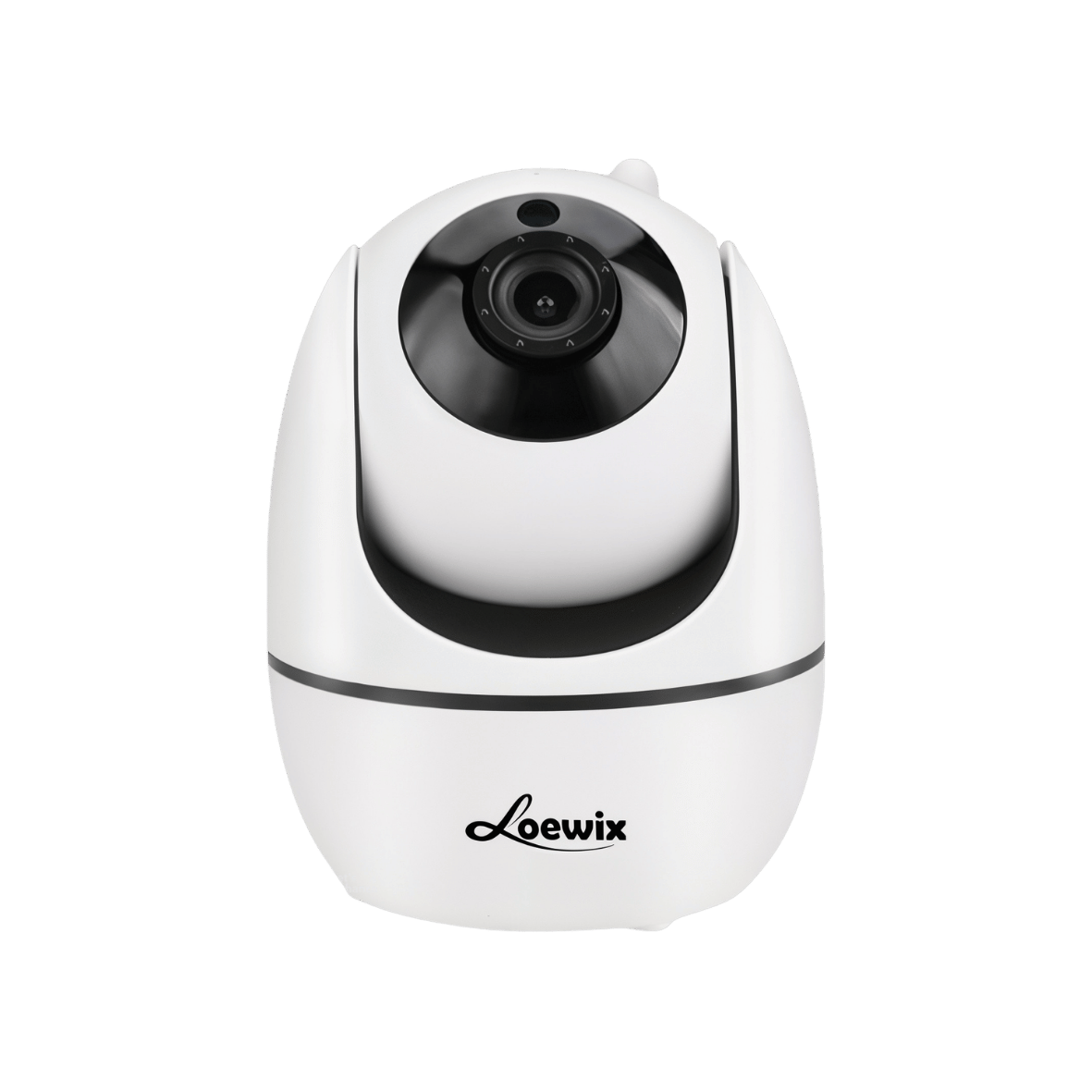
At Loewix, we understand that cybersecurity is not an "add-on" feature—it is the core of your peace of mind. We don't just give you the keys; we ensure your entire "house" is built solid.
- Solid Foundation: We only use hardware and software with tested security. We provide regular firmware updates to protect you from the latest threats.
- Protected Windows: Our professional installation team doesn't just mount cameras; they can offer advice to ensure your system is connected with the most secure network configuration.
- Locked Front Door: During the first activation, our system requires and guides you to create a strong, unique password. We do not allow the use of weak default passwords.
Your privacy is largely in your hands. By locking the front door, closing the windows, and choosing a house with a solid foundation, you are 99% safe from hacking. Contact Loewix today for a consultation on a reliable and protected security system.